
Be honest, when most people say they want a Porsche, what they really mean is the 911. It’s the poster car, the icon, the one that signals you’ve “made it.” But here’s the part that rarely gets said out loud: if your focus is purely on driving experience, the Porsche Cayman might actually be the better car.
Yes, the Cayman comes with less status. But in exchange, it offers something many enthusiasts quietly value more, balance.
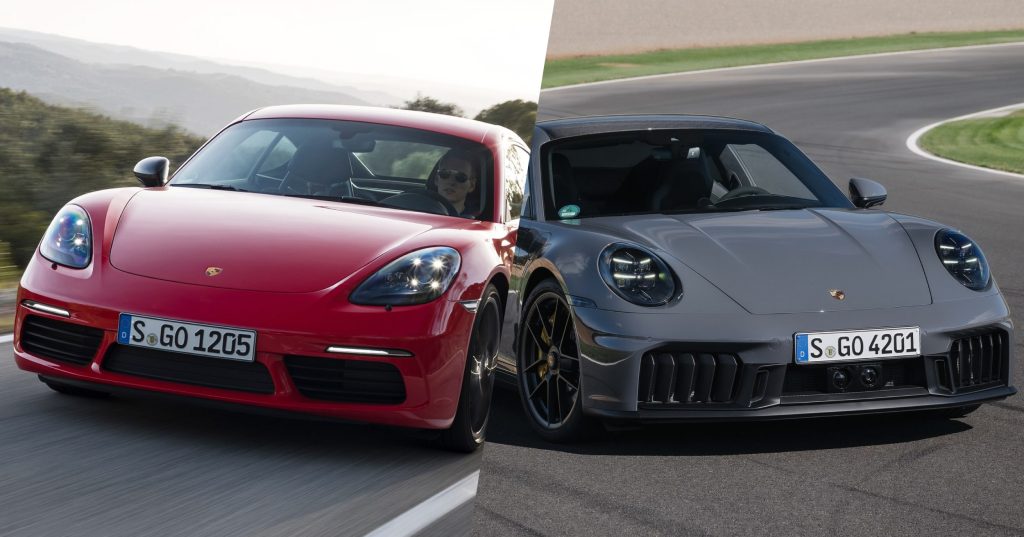
The Porsche Cayman’s mid-engine layout is the key to its magic. By placing the engine between the axles, the car achieves near-perfect weight distribution. What that means on the road is sharper turn-in, more predictable handling, and a level of control that feels almost intuitive. Whether you’re carving through corners or pushing the car on a track, the Cayman communicates with you in a way that feels direct and confidence-inspiring.
On the other hand, the Porsche 911 sticks to its signature rear-engine design. It’s powerful, fast, and undeniably iconic, but it demands more skill to extract its full potential. The weight over the rear axle can make the car feel more aggressive and, at times, less forgiving, especially for less experienced drivers.
This is where the real conversation begins.
If you’re chasing legacy, recognition, and that unmistakable silhouette, the 911 delivers. It’s a cultural symbol as much as it is a performance machine. Driving one isn’t just about the road, it’s about what it represents.
But if you care more about how a car feels than how it’s perceived, the Cayman makes a strong case for itself. It’s more approachable, more balanced, and arguably more rewarding to drive at its limits. In many ways, it strips away the noise and focuses on what matters most: the connection between driver and machine.
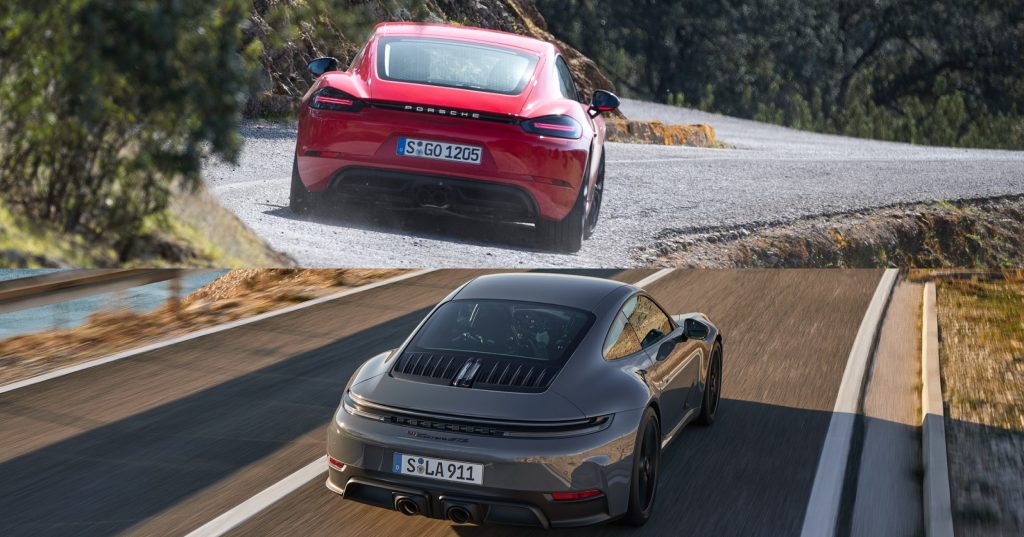
So the question isn’t which car is better on paper. It’s what you value more.
Do you want the badge that turns heads, or the car that keeps you smiling long after the drive is over?
Because sometimes, less status really does mean more car.