What Are Renewable Energy Cars?
- supercars.test
- April 8, 2023
As global warming continues to rise and people worldwide are looking to find ways to reverse it, life as we know it’s changing. How we live, and the energy sources we use, manufacture, and utilize resources are all changing.
As a result, most car manufacturers have started developing renewable energy vehicles to replace the current cars that release harmful emissions into the atmosphere. The shift toward environmentally friendly alternatives is imperative, as it has many benefits for car manufacturers and owners. There is also increasing pressure from governments across the globe to reduce vehicle emissions. This article will discuss green and renewable energy cars, some common types, and their benefits.
What are Renewable Energy Cars?
Renewable energy cars are powered using alternative energy fuels. Examples of green energy fuels are electricity, batteries, hydrogen, ethanol, and compressed air. Most cars today are powered by the internal combustion engine, which runs on gas or diesel. These engines process the fuel, and after all the energy has been used, released into the environment as carbon monoxide, a greenhouse gas.
Greenhouse gasses destroy the atmosphere and are the chief cause of climate change. Electric cars are among the leading renewable energy cars today, with Tesla leading the industry and outperforming most established car manufacturers.
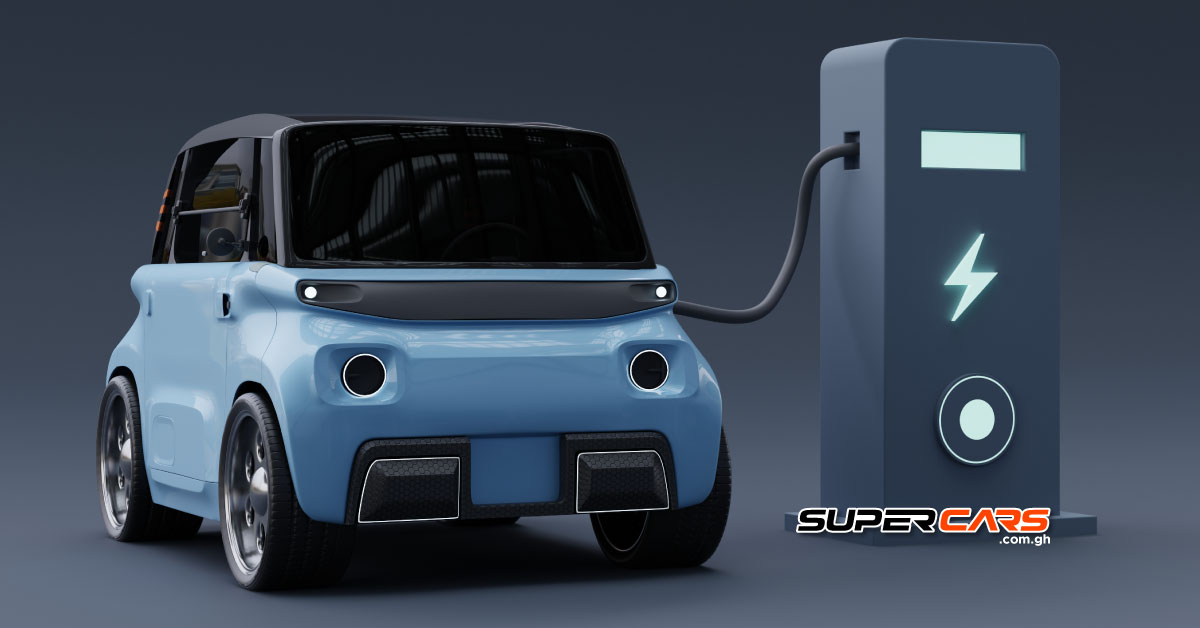
What Types of Renewable Energy Cars Are Available?
Renewable energy cars have many descriptions; clean, environmentally friendly, or eco-friendly.
There are also many types; the main difference is what energy powers the car.
Here are some of them;
- Hybrid Cars (Fuel-powered with an electric motor)
- Pure Electric Cars
- Solar-powered Cars
- Hydrogen-powered Cars
Electric cars are currently the most popular and have the most significant portion of the renewable cars market. Electric Vehicles, or EVs as they are sometimes called, are based on high-powered batteries, some are charged by electricity, and others by solar power. In addition, Tesla has “Superchargers” along main roads in major cities allowing vehicle owners to charge their vehicles for free.
What is the Best Type And Why?
Electric cars are estimated to outsell traditional gas and diesel-powered engines by 2030. EVs are making many waves in the auto industry, capturing the attention of the environment, technology-conscious and motorsport consumers. While Tesla holds a market share of 13.84%, VW holds 11.28%, BYD holds 8.84%, GM holds 7.64%, and Stellants has 5.74. While other EV manufacturers exist, they are in the minority in the growing industry. These manufacturers include Hyundai, BMW, Renault-Nissan-Mitsubishi Alliance, Mercedes, and Toyota.
One of the most pervasive myths about EVs is that they are not classy and underperform. Due to these myths, the first Tesla was designed to debunk these myths. Combustion engine cars benefit from a century of use, but EVs now show us that they could perform much better than gas-based cars. EVs can provide instant torque to a car.
For this reason, they can go from 0 to 60 MPH in just a few seconds. When you hit your gas pedal, gas or diesel combined with air goes through a combustion process your car can move. Since electricity can be applied instantly like a light switch, the time saved gives EVs the upper hand.
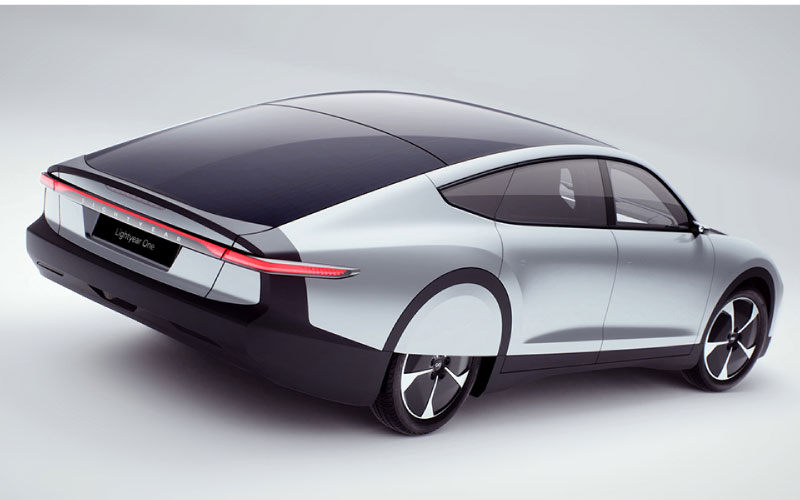
Today, EVs like the Tesla Model S plaid goes at a top speed of 200 MPH, with other EVs under experiments performing at a top speed of 258 MPH. For context, some of the fastest combustion engine cars have been able to hit between 260-300mph.
Pros and Cons
Among the various energy sources that form the renewable energy cars industry, EVs and Hydrogen vehicles are the most common and commercially available for consumers.
Both types essentially rely on electricity and hydrogen to power the vehicle. They do not need to convert gas or diesel to power the car.
Hydrogen Cars are great because hydrogen is abundant. It has more potential to save energy and maintain a clean world. When released into the environment, hydrogen does not cause harm to the environment, unlike carbon monoxide from conventional combustion engine cars. It has another upper hand over EVs; hydrogen-powered vehicles take an average of 5 to 10 minutes to charge, while EVs take between 6 to 12 hours to charge fully. It’s not just time-saving but leaves a zero carbon print on the climate.
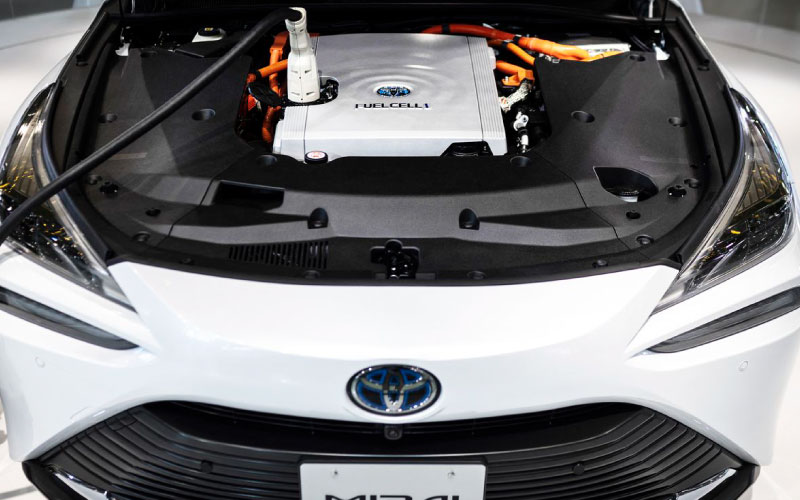
However, these benefits come with great dangers. The composition of hydrogen is straightforward. This makes it advantageous but also makes it easily ignitable . This increases the risk of burning vehicles. Manufacturers have to invest more resources into making the cars super protected to prevent such inflammatory accidents.
Pros of Hydrogen Cars
- No greenhouse emissions, a safer environment
- Hydrogen is abundant, reducing the costs of car
- Hydrogen cars have a high range and can go up to 600km
- Takes a few minutes to refuel
- Quiet engine
Cons of Hydrogen Cars
- Hydrogen engines are not very efficient due to their tendency to lose a lot of energy.
- Hydrogen cars are highly flammable
- Expensive to purchase and maintain
- Very few filling stations
Pros of EVs
- Electric vehicles are relatively energy efficient and do not cause greenhouse emissions.
- They are also somewhat easier to maintain than the extremely demanding combustion engine.
- No need to buy gas or diesel. Most manufacturers provide free charging.
- Better performance
Cons of EVs
- EVs take a long time to charge.
- Access to commercial chargers is still a problem in most places.
- An EV can run out of battery and leave you on the way during a long journey due to the lack of charging stations.
- In terms of cost, the first EVs were super expensive. However, prices are beginning to fall due to improved technology, various improvements in the production process and more brands jumping on the trend.
While manufacturers invest in software to make lots of calculations and optimizations to help monitor and save energy, the chance is still looming that you may be left somewhere on the tracks without any charger available.
Are There Any Renewable Energy Cars In Ghana?
Yes, it is widely known that Ghanaian businessman Osei Kwame Despite owns a Tesla Model X P100D. According to a report by GhanaWeb, over 1000 EVs are operating in Ghana.
SolarTaxi is a Ghanaian startup in the business of making solar-powered electric cars. SolarTaxi has been operational for the past few years. They are also known for making solar-powered bikes.
There are also plans by the German Based Mana Mobility to start assembling EVs in Ghana from 2023.
References
SHARE
Recent Post
Have Any Question?
If you have a question, call or email us.
We will get back to you as soon as possible!
Categories
Videos Texts Guides Grand Prix