


When Honda introduced the CR-V to American shores in 1997, few could have predicted that this quirky “Comfortable Runabout Vehicle” would become one of the automotive industry’s most enduring success stories. Nearly three decades later, the CR-V stands as a testament to Honda’s ability to evolve with changing consumer needs while maintaining the core values that made it special.


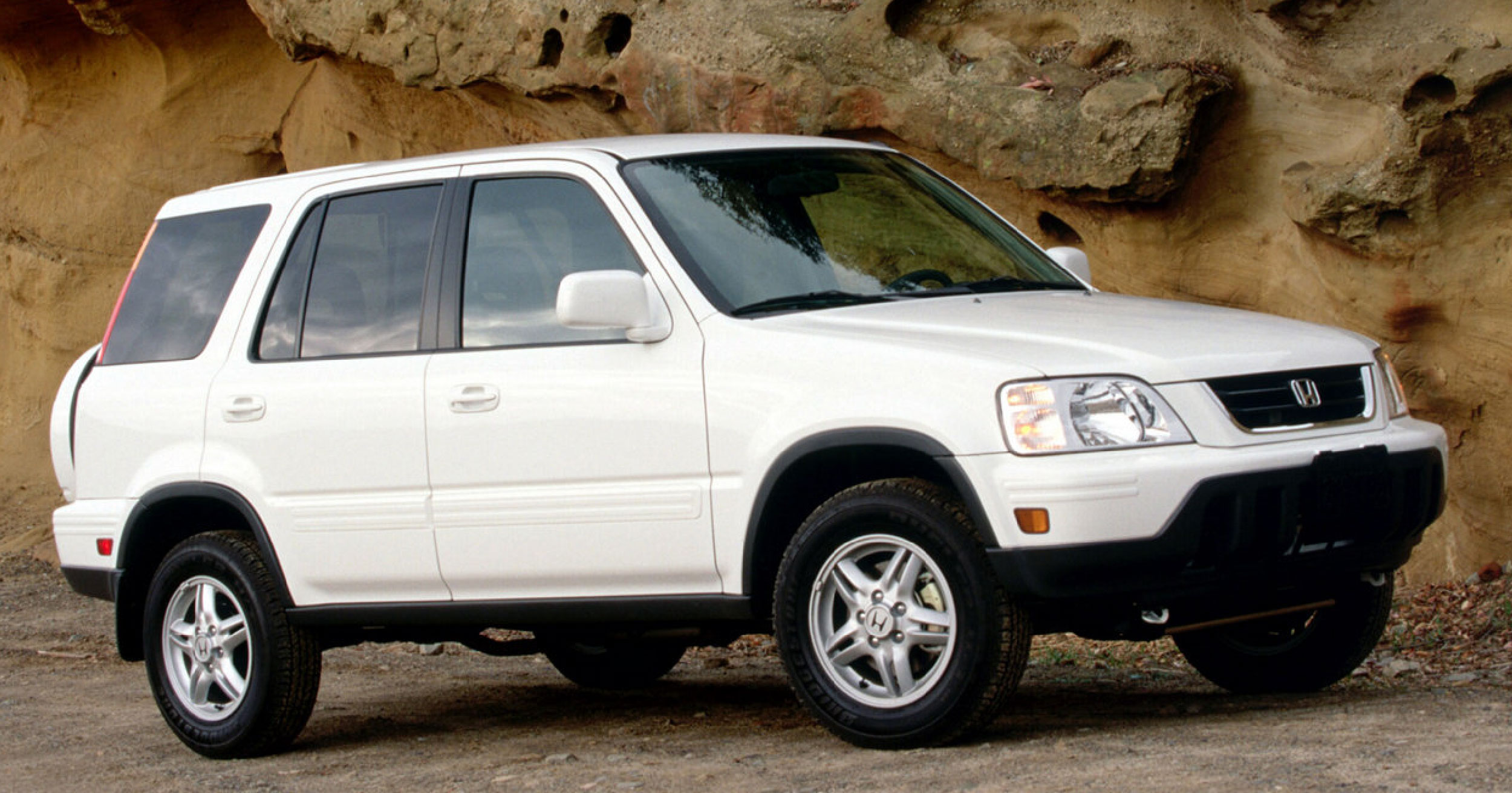
The original CR-V arrived at a pivotal moment in automotive history. Alongside the Toyota RAV4, it helped pioneer the car-based crossover formula that would eventually dominate the market. That first generation was charmingly unconventional—complete with a picnic table hidden in the cargo floor, a spare tire mounted on the swing-out tailgate, and surprisingly car-like handling courtesy of its Civic-derived platform. Its 126-horsepower 2.0-liter engine wasn’t powerful, but it delivered respectable fuel economy and proved perfectly adequate for the CR-V’s modest 2,600-pound curb weight.
The second generation in 2002 marked Honda’s commitment to growth. A larger 2.4-liter engine producing 160 horsepower provided more robust performance, while the expanded dimensions offered greater interior space without sacrificing the nimble handling that defined the original. The picnic table remained, a quirky reminder of Honda’s focus on practical versatility.
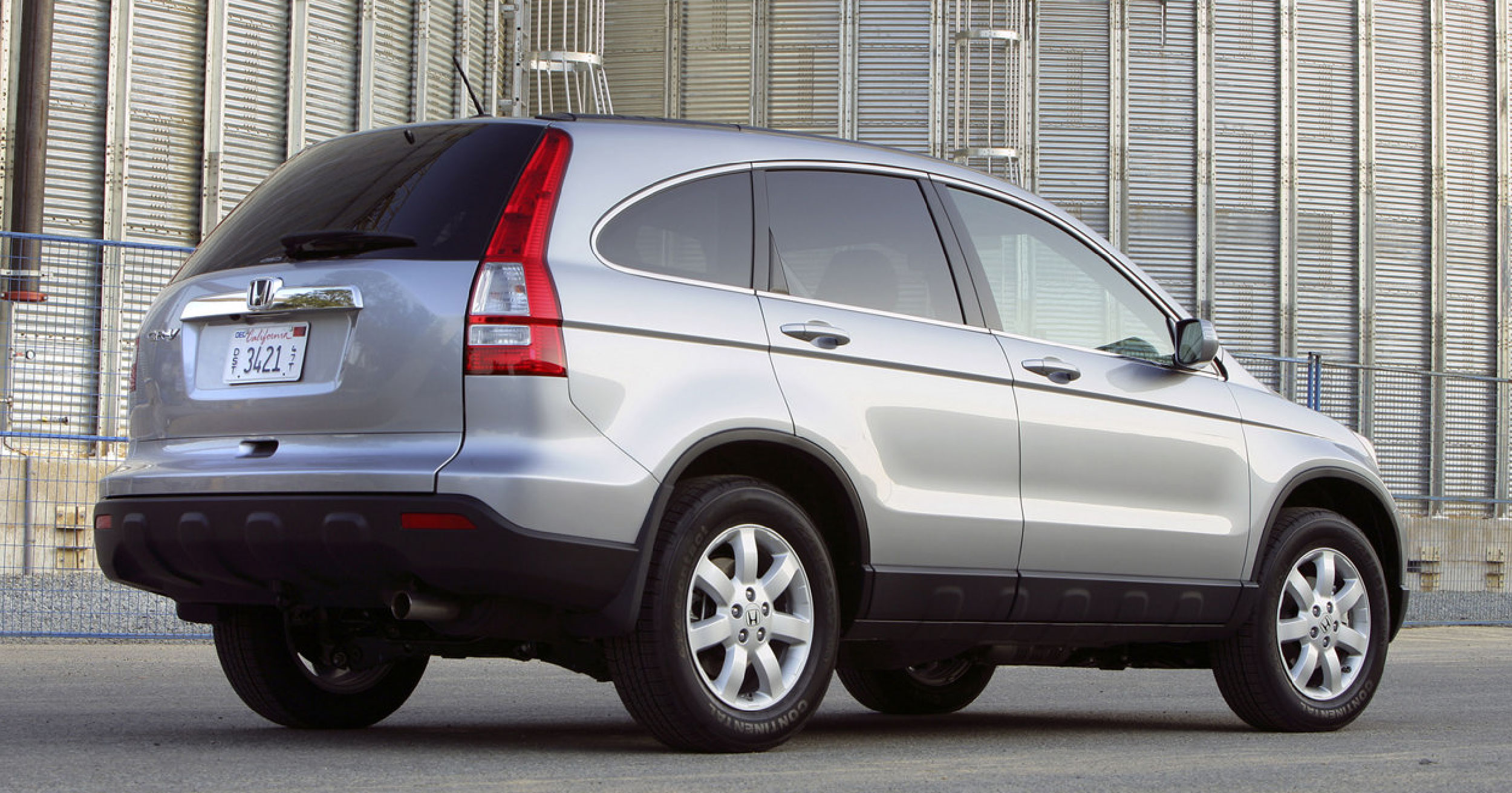
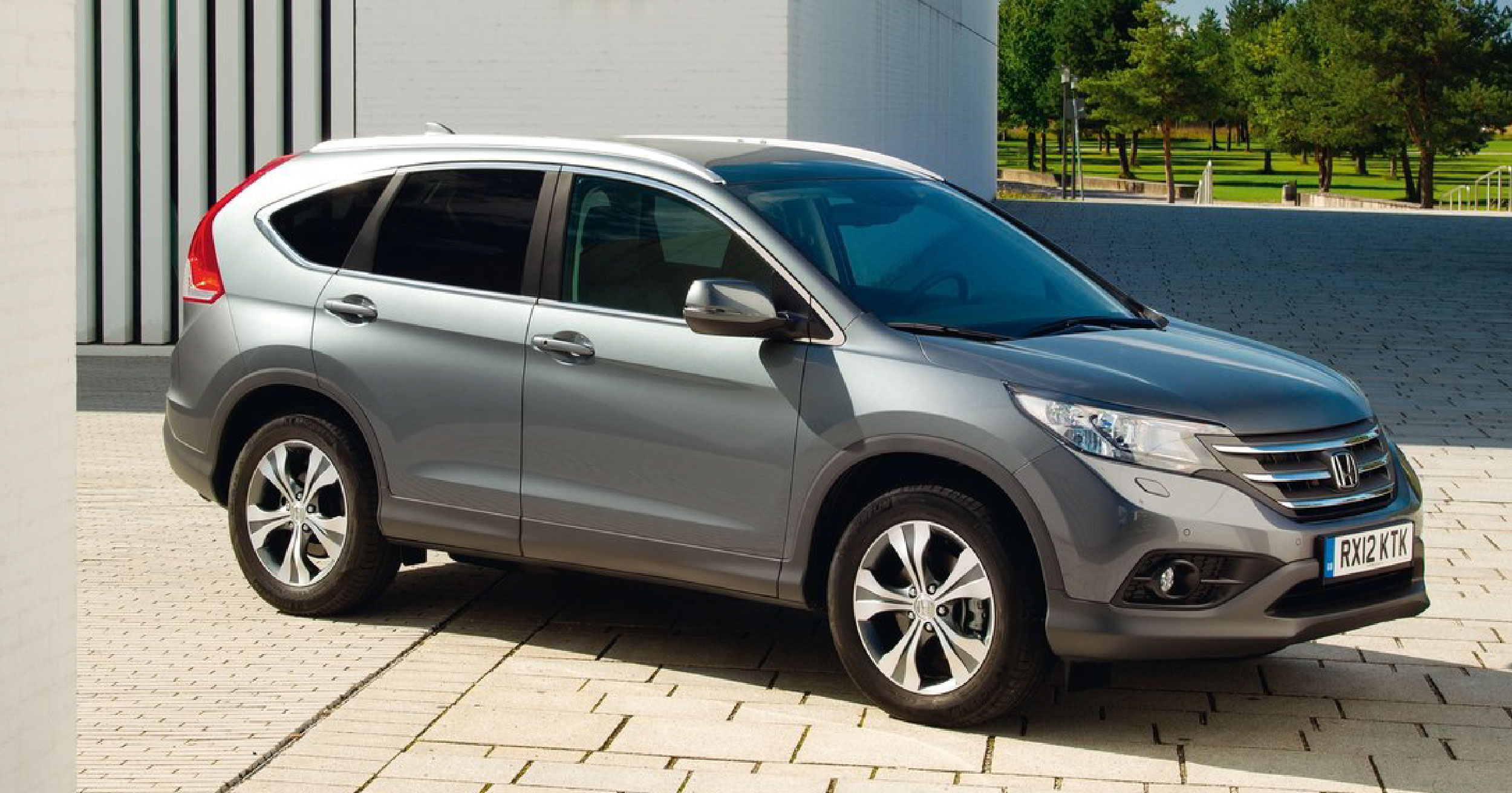
By 2007’s third generation, the CR-V had matured. Gone were the external spare tire and side-hinged tailgate, replaced by more conventional SUV styling that reflected the segment’s mainstream acceptance. The 2.4-liter engine gained power incrementally across updates, eventually reaching 185 horsepower by 2012’s fourth generation.
The 2015 refresh proved transformative. Honda replaced the five-speed automatic with a CVT, improving both performance and efficiency. These updates earned the CR-V our attention as a segment leader, demonstrating that mid-cycle improvements could feel nearly as significant as full redesigns.
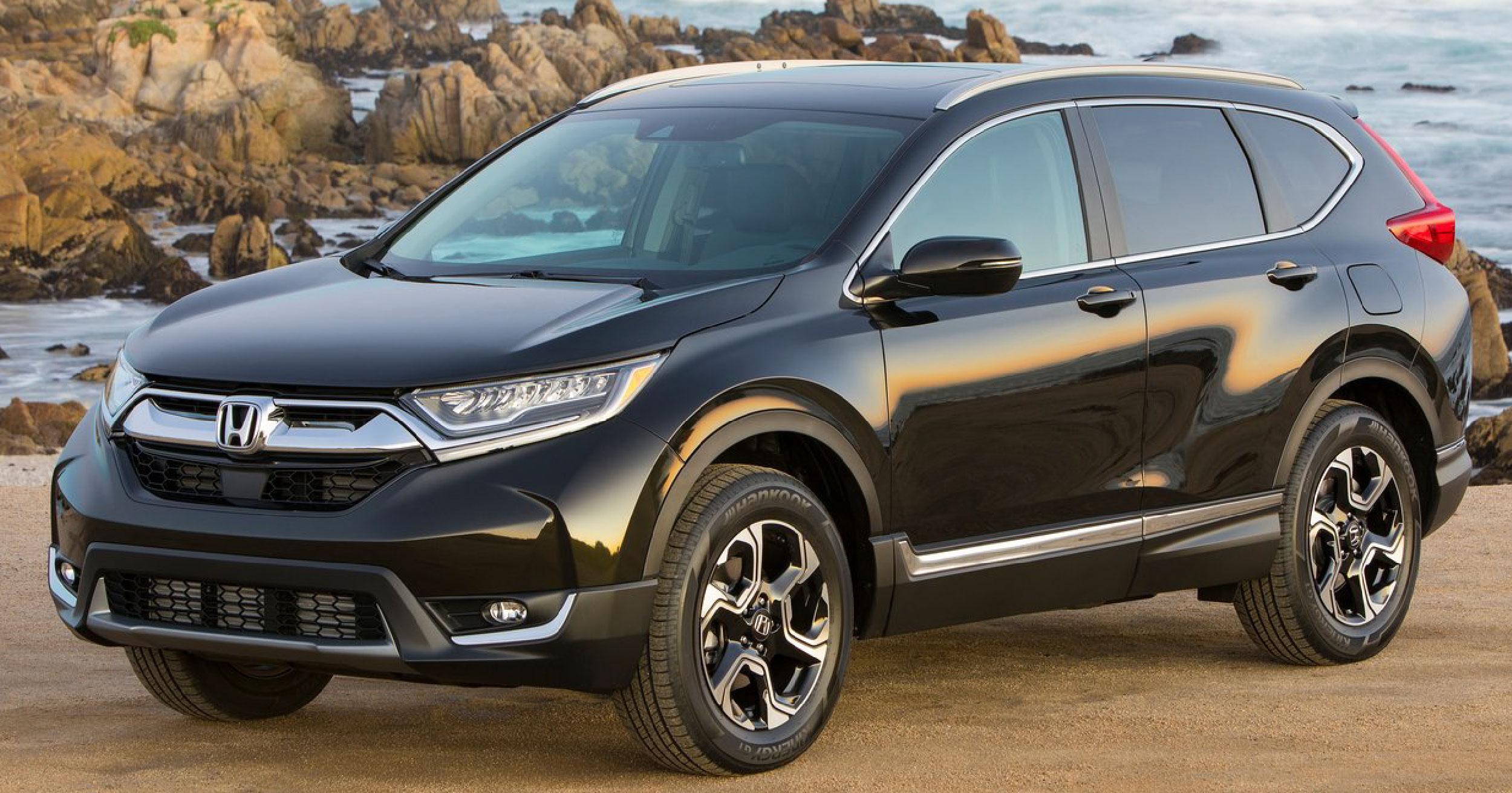
The fifth generation in 2017 represented perhaps the CR-V’s most dramatic evolution. A turbocharged 1.5-liter engine replaced the naturally aspirated 2.4-liter, delivering 190 horsepower with superior fuel economy. The 2020 addition of a hybrid powertrain—producing 212 horsepower from a 2.0-liter engine and dual electric motors—positioned Honda at the forefront of electrification.
Today’s sixth-generation CR-V, introduced for 2023, carries forward this legacy of thoughtful evolution. More spacious than ever, with styling that nods to the original’s rugged aesthetic while incorporating modern technology, it proves the CR-V formula remains as relevant as ever. The hybrid variant now produces 204 horsepower with improved efficiency, while features like hill descent control acknowledge modern adventure-seeking buyers.
From its unconventional debut to its current status as a segment benchmark, the CR-V’s journey reflects Honda’s understanding that evolution doesn’t mean abandoning core principles. Reliability, practicality, and car-like dynamics remain central to the CR-V experience—they’ve simply been refined across six generations to meet contemporary expectations.